
Most of the focus when designing the exhaust system for a large generator is spent on noise attenuation, silencer space requirements, and pipe routing. Insulation of the exhaust system generally gets less attention, and I see this as a missed opportunity to provide the owner with some important long-term benefits.
Why Calcium Silicate Falls Short in Real-World Service

Calcium silicate rigid insulation is commonly used for exhaust piping. Mechanical contractors are familiar with the installation procedure, the material performs well thermally, and it is non-combustible. The installation looks clean when done properly, but some shortcomings become quite evident once the system is in operation for a while:
- Exhaust systems include elements designed to deal with vibration and thermal expansion/contraction cycles. These systems include flanged connections that should be inspected regularly for fatigue cracks or exhaust gas leaks. The gaskets used in these flanged connections need to be replaced eventually. Any time a gasket, flange, or flexible connector needs to be accessed, calcium silicate insulation must be cut away and discarded.
- Reinstallation requires skilled labor, substantial time, and requires new material.
- Calcium silicate is hygroscopic. Moisture absorption reduces its insulating value, and the same moisture can accelerate corrosion of the silencer or pipe that it is encasing.
- The example above shows the flexible connectors left exposed, presumably recognizing their need for service. This practice can jeopardize the safety of personnel that may come in contact with these 800°F+ exhaust components.
Benefits of Removable Thermal Blankets
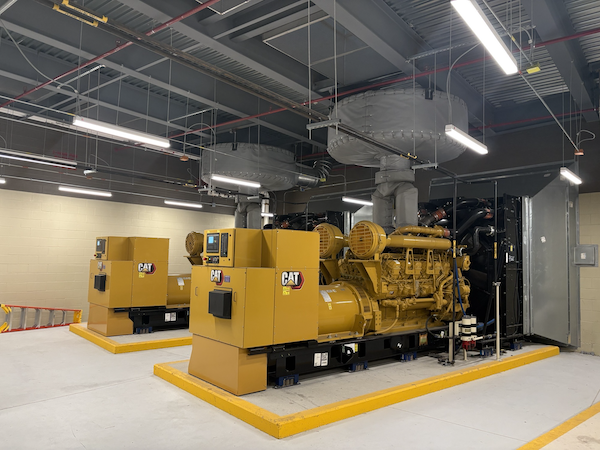
Removable and reusable thermal insulation blankets offer an alternative that cures many of the issues related to calcium silicate, and other rigid insulation systems:
- Thermal blankets are designed for repeated removal and reinstallation. Stainless-steel spring clips or wire are used to secure the blanket around the component (silencer, flex connector, or flanged connection). This simple attachment method allows a qualified technician to remove the blankets, perform an inspection or repair, and reinstall them without need for special skills.
- Thermal performance matches or exceeds calcium silicate across the normal exhaust temperature range (roughly 650°F to 1,300°F). For elements that are low to the ground, surface temperatures remain within personnel-protection limits.
- A silicone-impregnated or stainless outer jacket sheds water and protects the pipe from condensation-driven corrosion.
- Because the same blanket stays in service for years, material replacement and disposal costs are largely eliminated.
Practical Specifications Guidance
For most commercial and industrial generator projects I recommend the following approach:
- Use removable insulation blankets on all components that require periodic access — silencers, flanges, flexible connectors, expansion joints, and inspection ports.
- Calcium silicate may still be considered for long, straight runs of pipe unless this pipe is at risk of corrosion due to environmental factors (a wastewater treatment plant is notorious for early corrosion issues).
- Require the blanket manufacturer to provide a temperature rating suitable for the expected operating temperature of the exhaust system, and an expected service life minimum of 10 years.
- Coordinate the insulation specification with the silencer supplier. Most silencer manufacturers offer high-temperature blankets specifically matched to their own products. To insure proper fit, it is best to have these blankets specified to be furnished at the same time as the exhaust silencer, flexible connectors, etc.
- Thermal insulation blankets are recommended for indoor installations only.
Bottom Line for the Owner
The initial cost difference between rigid calcium silicate insulation and a quality removable blanket system is negligible, but the lifecycle difference is not. Facility owners will benefit by:
- Easier and faster inspection procedures for their engine exhaust systems.
- Substantially lower expense in performing inspections.
- Identifying impending failures before they manifest and affect facility operations.
Bottom line: Reusable exhaust system insulation is a cost-saving, efficient design solution with a material positive impact to the reliability of emergency power systems.
If you are updating your master specifications for engine exhaust systems, this is a small change that delivers real value to the owner after the project is complete.
For expert assistance in the design and selection of engine exhaust systems, consider partnering with On-Site Power Advisor. With 30+ years of experience in the industry, On-Site Power Advisor offers tailored solutions to meet your project’s needs.